Tag Archives: disease’

Can Mammograms Help Detect Heart Disease Risk? A New Look at Breast Arterial Calcifications
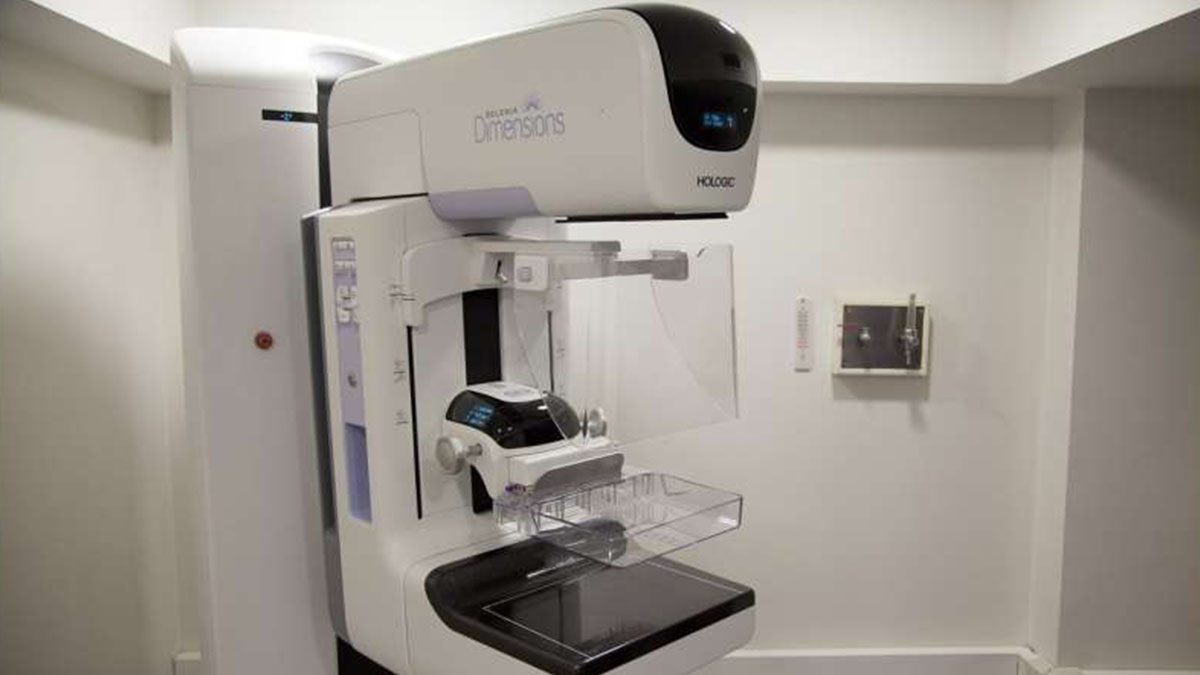
As more people get mammograms every year to screen for breast cancer, an additional benefit may be emerging: heart disease risk detection. With advanced technology and artificial intelligence, some imaging centers now offer screenings for cardiovascular risks based on breast arterial calcification visible in mammogram images. This additional test, offered by some radiology practices, could… Read More: Can Mammograms Help Detect Heart Disease Risk? A New Look… »

Ovarian Cancer Vaccine: Could OvarianVax Stop the Disease Before It Starts?

A groundbreaking cancer vaccine, OvarianVax, is currently being developed by researchers at the University of Oxford. This potential vaccine offers new hope in the fight against ovarian cancer, a disease known for its high mortality rate and silent progression. If successful, OvarianVax could prevent ovarian cancer from developing, changing the way the disease is approached… Read More: Ovarian Cancer Vaccine: Could OvarianVax Stop the Disease Before It… »

Omega-3 — A Simple Way to Lower Your Risk of Disease

Editor’s Note: This article is a reprint. It was originally published November 12, 2023. In this video, I interview William (Bill) Harris, Ph.D., an internationally recognized expert on omega-3 fatty acids. He’s been studying omega-3s since 1980 and has published more than 300 scientific papers on fatty acids and health. A few years ago, he… Read More: Omega-3 — A Simple Way to Lower Your Risk of… »

Might Electron Deficiency Be an Underlying Factor in Most Chronic Disease?

By Dr. Mercola For thousands of years, Eastern civilizations have used forms of energy medicine to unblock and regulate energy channels in the body. For example, acupuncture has a long history of success in Traditional Chinese Medicine. The West has been slow to embrace energy medicine, holding a more biochemical view of the human body,… Read More: Might Electron Deficiency Be an Underlying Factor in Most Chronic… »