
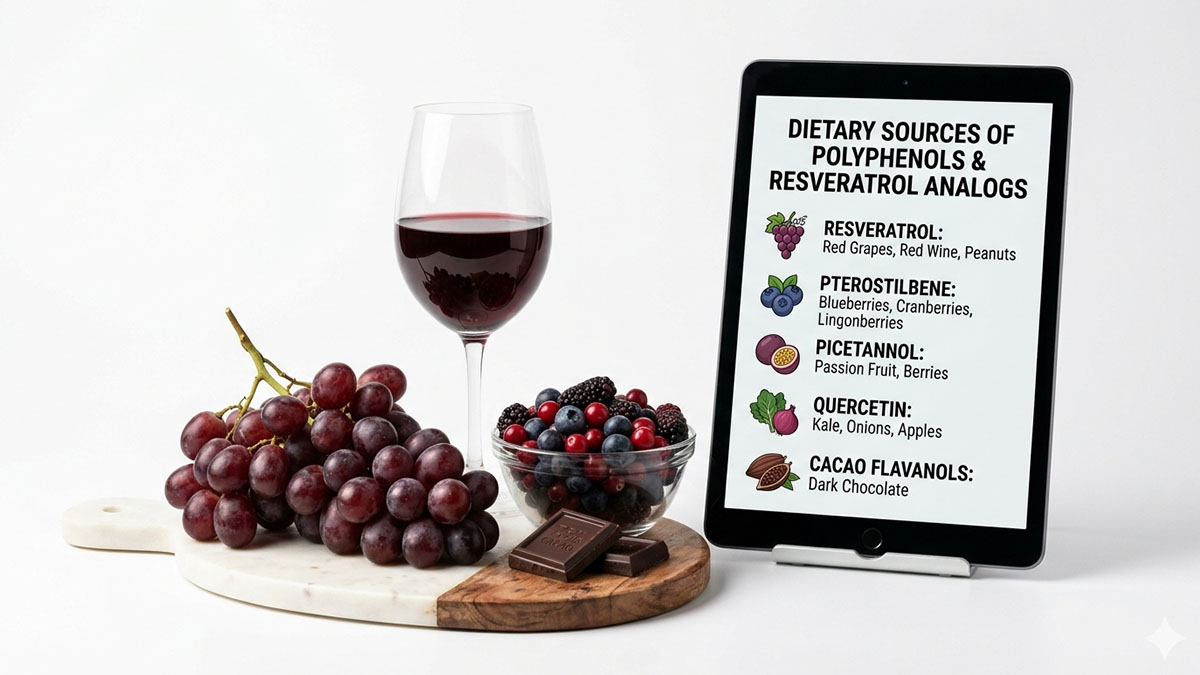
When we think about health and aging, we often look for that one “magic” ingredient that can help us stay young and vibrant. For many years, resveratrol has been the star of that conversation. You have probably heard that drinking a glass of red wine is good for your heart because of this specific compound. However, as science advances, researchers are looking deeper than just one single molecule. We are now discovering a whole family of similar compounds that work in harmony with our bodies. If you are looking to optimize your cellular health, it is time to focus on foods high in resveratrol analogs. These analogs are natural compounds that have a similar chemical structure to resveratrol but often come with better stability, higher absorption rates, or unique benefits for the brain and metabolism. By diversifying your diet to include these powerful plant chemicals, you are essentially giving your body a sophisticated toolkit for repair and protection.
To understand why foods high in resveratrol analogs are so important, we first need to understand what they do. In the plant world, these compounds are part of a defense system called phytoalexins. Plants produce them when they are under stress, such as when they are attacked by fungi, exposed to intense UV rays from the sun, or dealing with drought. When we consume these plants, those defense molecules send signals to our own cells to activate “survival genes.” These genes help reduce inflammation, improve how we use insulin, and protect our DNA from damage. The beauty of analogs like pterostilbene or piceatannol is that they often stay in our bloodstream longer than basic resveratrol, meaning they can do more “work” throughout the day to keep our systems running smoothly.
One of the most delicious ways to incorporate foods high in resveratrol analogs into your daily routine is through the consumption of dark berries, specifically blueberries and huckleberries. While grapes get all the fame, blueberries contain a potent analog called pterostilbene. This compound is often referred to as “resveratrol’s smarter cousin” because it is much more lipophilic, meaning it can pass through cell membranes and the blood-brain barrier more easily. This makes it a fantastic ally for cognitive health and memory. Instead of just grabbing a sugary snack in the afternoon, a bowl of fresh or frozen blueberries provides a concentrated dose of these life-extending molecules. Because pterostilbene is so stable, your body can utilize it more effectively to fight oxidative stress in the brain and heart.
Grapes, of course, remain a staple on the list of foods high in resveratrol analogs, but the secret lies in where you look. Most of the beneficial compounds are found in the skin and the seeds rather than the sugary juice inside. Muscadine grapes, in particular, are a powerhouse. They are a different species than the standard table grapes you find at the grocery store, and they have been found to contain much higher concentrations of piceatannol. Piceatannol is another analog that has shown great promise in blocking the maturation of fat cells and supporting healthy blood pressure levels. If you have access to these thick-skinned grapes, or even high-quality grape seed extracts, you are providing your body with a complex array of stilbenoids that work together far better than a single isolated supplement ever could.
We also find surprising amounts of these compounds in the world of nuts, particularly peanuts and pistachios. It is a common misconception that “health foods” have to be exotic or expensive. Peanuts are one of the most accessible foods high in resveratrol analogs. They produce these compounds to protect their seeds from soil-borne pathogens. When you eat peanuts ideally with the thin, papery red skins still attached you are ingesting a variety of resveratrol derivatives. Pistachios are another great choice; they are not only rich in these longevity-promoting molecules but also provide healthy fats that help the body absorb these fat-soluble analogs. Adding a small handful of these nuts to your salad or eating them as a mid-morning snack is a practical way to support your metabolic health without overcomplicating your diet.
Cocoa and dark chocolate are other delightful entries in the category of foods high in resveratrol analogs. Many people are surprised to learn that the cacao bean is a complex chemical factory. When you choose dark chocolate with at least 70% or 80% cocoa content, you are getting a dose of resveratrol and its various chemical relatives. These compounds contribute to the well-known cardiovascular benefits of chocolate, helping to keep the lining of your blood vessels flexible and healthy. However, it is important to avoid highly processed chocolate that is loaded with dairy and sugar, as these can trigger inflammation and cancel out the benefits of the plant compounds. A small square of high-quality dark chocolate is a perfect “functional food” that satisfies a craving while feeding your cells what they need to thrive.
As we look toward more exotic sources, we find the Japanese Knotweed, also known as Polygonum cuspidatum. While this plant is considered an invasive weed in many parts of the world, it is actually the most concentrated source of resveratrol and its analogs in nature. In fact, most high-quality supplements are derived from this plant rather than grapes. While you might not cook with it as a common vegetable, its extracts are a primary way people increase their intake of foods high in resveratrol analogs. It contains a wide spectrum of stilbenes that have been used in traditional medicine for centuries to support the immune system and reduce joint pain. This reminds us that nature often provides the strongest medicines in the most unexpected places.
Another interesting source is the skin of certain fruits like cranberries and lingonberries. These tart berries are often overlooked, but they are incredibly dense in piceatannol and other resveratrol-like molecules. Because these berries grow in harsh, cold climates, they have to produce massive amounts of protective compounds to survive the elements. When we consume them, we inherit that resilience. Incorporating unsweetened cranberry juice or adding lingonberries to your oatmeal is a great way to boost your intake of foods high in resveratrol analogs. The sourness of these fruits is often a sign of their high polyphenol content, so try to embrace the tartness rather than masking it with heaps of sugar.
The way we prepare our food also matters when trying to maximize the benefits of these molecules. Since many of these analogs are fat-soluble, eating them alongside a source of healthy fat like olive oil, avocado, or nuts can significantly increase how much your body actually absorbs. For example, if you are eating a bowl of blueberries, having a few walnuts with them helps the pterostilbene get into your system. Furthermore, heat can sometimes degrade these delicate compounds, so whenever possible, try to eat your foods high in resveratrol analogs raw or very lightly cooked. This preserves the chemical structure and ensures that the “survival signals” remain intact when they reach your cells.
In conclusion, the journey to a longer and healthier life doesn’t have to be about finding a single miracle pill. It is about embracing the diversity of the plant kingdom and understanding the deep connection between a plant’s defense system and our own health. By focusing on foods high in resveratrol analogs from the common peanut and blueberry to the dark chocolate and muscadine grape you are creating a lifestyle of “preventative maintenance.” These compounds work quietly in the background, cleaning up cellular waste, protecting your heart, and keeping your brain sharp. Nature has hidden these longevity keys in a variety of delicious foods; all you have to do is make room for them on your plate. Every bite of these nutrient-dense foods is a vote for a more resilient and energetic future.